About Aicil Desiccator 210mm
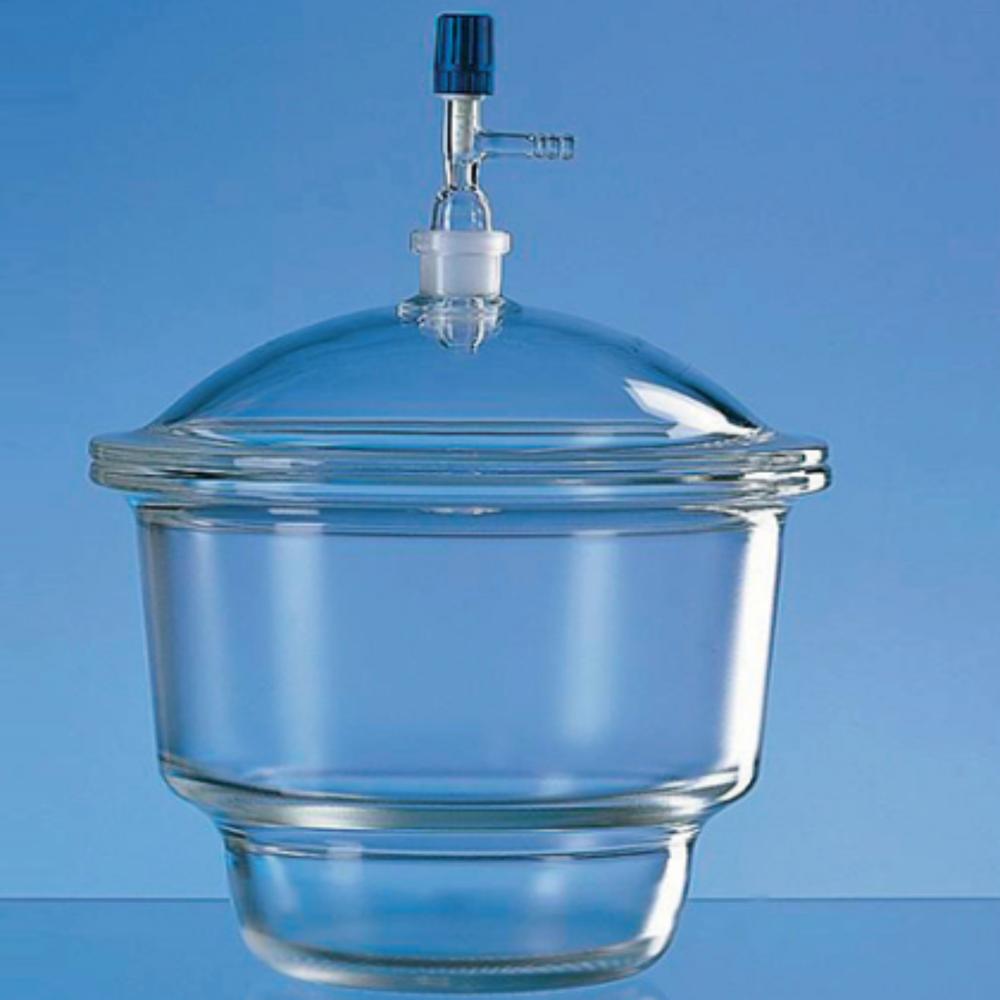
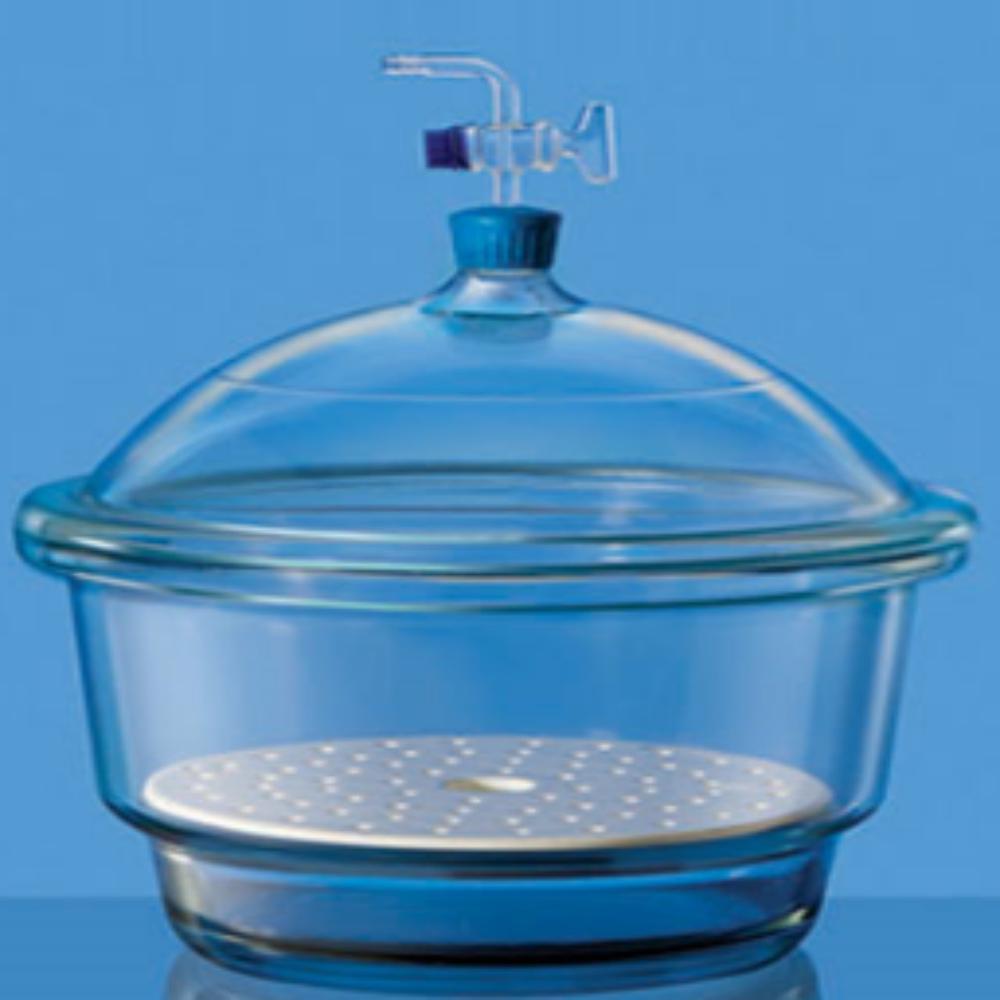
Dessicator with cover with suitable porcelain plate ( borosilicate glass) A desiccator is defined as a sealed container used to dehydrate substances or maintain them in an anhydrous state, typically over a water-absorbent chemical, and can be operated under vacuum conditions to enhance the dehydration process.Superior Moisture Protection for Sensitive SamplesThe Aicil Desiccator is specifically engineered to safeguard moisture-sensitive chemicals and samples from atmospheric humidity. Its air-tight, grease-sealed ground glass flange and integrated vacuum valve help create and maintain optimal low-humidity environments, ensuring your valuable specimens remain uncompromised during storage or drying.
Robust Borosilicate Glass for Maximum DurabilityCrafted from premium borosilicate glass, this desiccator provides outstanding resistance against thermal shock, corrosion, and common laboratory chemicals. The thick glass base enhances stability, making the unit highly durable and suitable for demanding lab settings. Its transparent, dome-shaped body also allows clear visibility for easy observation of contents.
FAQ's of Aicil Desiccator 210mm:
Q: How does the vacuum function enhance the Aicil Desiccator's performance?
A: By using the vacuum valve and stopcock, you can evacuate air from the desiccator chamber. This reduces humidity to very low levels, speeding up the drying process and ensuring that stored chemicals and samples are thoroughly protected from moisture damage.
Q: What types of chemicals and desiccants are compatible with this desiccator?
A: The desiccator is made from high-quality borosilicate glass, which offers excellent chemical resistance. This makes it suitable for use with standard laboratory chemicals and commonly used desiccants such as silica gel, anhydrous calcium chloride, or phosphorus pentoxide.
Q: When should I use a vacuum desiccator instead of a non-vacuum model?
A: A vacuum desiccator is ideal when you require faster and more effective moisture removal, or when storing highly hygroscopic samples that need extra protection. It's preferred in situations where standard desiccators may not provide a sufficiently dry environment.
Q: Where can I place the Aicil Desiccator in my laboratory setup?
A: This desiccator can be safely placed on any stable laboratory bench or storage shelf. Ensure that the surface is level and can support the desiccator's weight, especially when loaded, to maximize both safety and ease of access.
Q: What is the recommended process for setting up and sealing the desiccator?
A: To set up, place the chosen desiccant in the base, load your samples on the support plate, and apply a thin layer of grease to the ground glass flange for an airtight seal. Attach the dome-shaped lid securely, then use the vacuum valve and stopcock to evacuate air if desired.
Q: How do you monitor the dryness or condition of samples inside the desiccator?
A: The clear borosilicate glass body provides full visibility, allowing you to observe the samples, desiccant, and any color indicators inside without opening the lid, thus preserving the internal environment.
Q: What are the benefits of using borosilicate glass for laboratory desiccators?
A: Borosilicate glass offers superior durability, excellent resistance to heat, corrosion, and a wide range of chemicals. This ensures longevity and reliable performance in laboratory environments, even under repeated use and exposure to harsh substances.






 Send Inquiry


 Send Inquiry
 English
 Spanish
 French
 German
 Italian
 Chinese (Simplified)
 Japanese
 Korean
 Arabic
 Portuguese