About Digital RH View Box Microprocessor
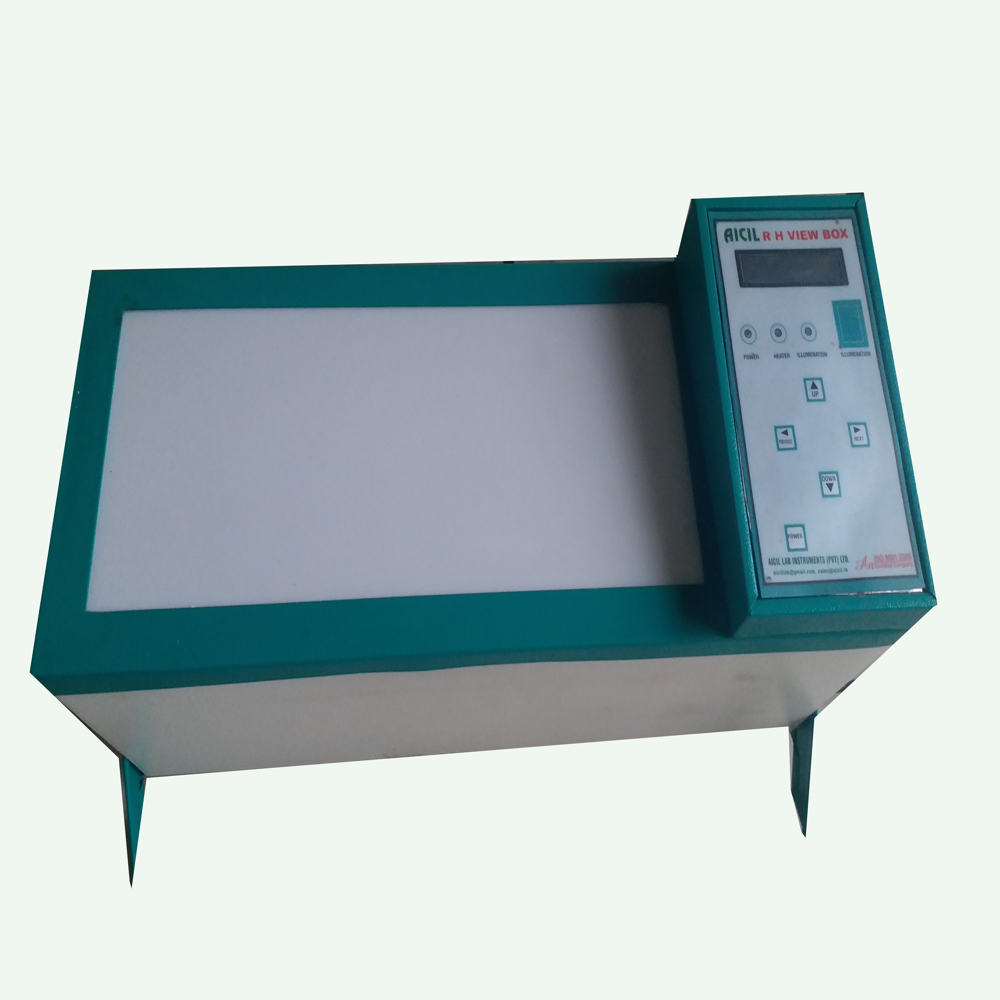
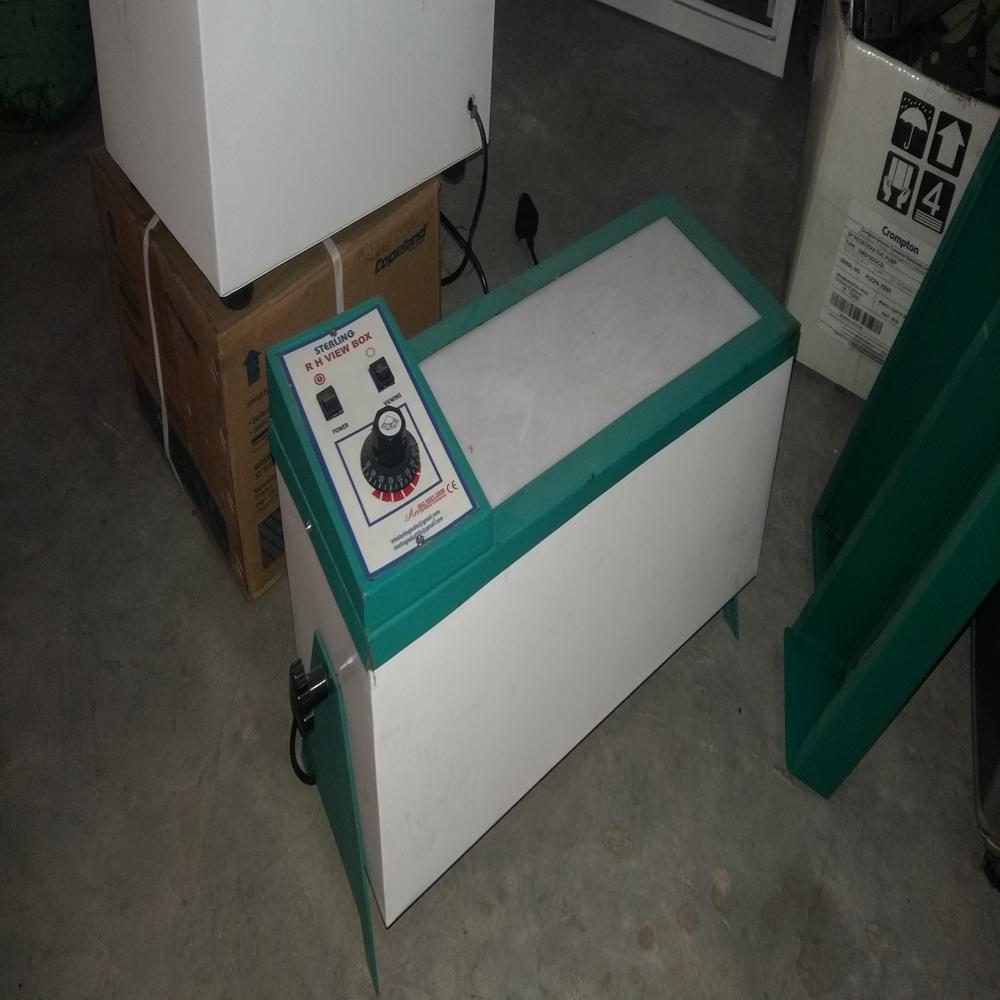
The RH View box , meets the RH slide test standards set by the American Associationof Blood Banks. RH slide attains prescribed temperature, from 37 to 39 C, withintwo minutes.The view- area calibration range is from 45 to 50 C. The Temperature is adjusted bya knob and measured on digital temperature meter accurately. The soft, glare free lightprovides optimal intensity for blood typing and cross matching. Light intensity isindependent of the temperature control. The M.S Powder Coated Box is pivotallysupportable in frame for gently rocking.
Advanced Illumination and Environmental ControlThis unit integrates high-intensity LED illumination with microprocessor-based climate control. Uniform lighting facilitates precise viewing of films, while capacitive humidity and PT100 temperature sensors offer real-time monitoring. Programmability for both continuous and timer-based use ensures it adapts to different lab workflows efficiently.
User-Friendly and Safe OperationSoft touch membrane keys and a bright digital display simplify operation, alongside features such as adjustable light intensity and user calibration capability. Audio/visual alarms for limit breaches, electrical fuse, and overload protection reinforce safety for frequent laboratory and industrial use.
Versatile Laboratory ApplicationsEngineered for adaptability, this view box excels in densitometric film analysis, controlled humidity and temperature measurement, and precise environmental tests. Its stable, powder-coated construction and intuitive table-top design-combined with reliable microprocessor control-make it an indispensable tool across medical, industrial, and research environments.
FAQ's of Digital RH View Box Microprocessor:
Q: How does the Digital RH View Box maintain precise humidity and temperature control?
A: The unit employs capacitive humidity sensors and PT100 temperature sensors managed by a PID microprocessor controller, enabling tight automatic regulation within 1% RH and 0.5C accuracy. Users can preset conditions and activate alarms for out-of-range values, ensuring optimal sample preservation and analysis.
Q: What is the process for calibrating the sensors on this device?
A: Calibration is user-accessible and can be initiated via the soft touch membrane keys. Follow on-screen prompts on the digital LED/LCD display-reference standards for humidity or temperature are recommended for adjustment, ensuring consistent and reliable readings for laboratory results.
Q: When should I use the timer-based operation mode versus continuous mode?
A: Use timer-based mode for defined testing or analysis intervals-this is ideal for protocols requiring specific exposure durations. Continuous mode suits ongoing studies or extended viewing needs, providing uninterrupted lighting and controlled conditions until manually deactivated.
Q: Where is the Digital RH View Box typically installed and used?
A: Designed as a table-top instrument, it is ideal for laboratories, medical facilities, and industrial environments that require stable placement and convenient access, especially for activities like film density measurement or environmental sample analysis.
Q: What are the main steps to adjust light intensity and environmental settings?
A: Settings for illumination, humidity, and temperature are managed directly from the control panel using soft touch keys. Adjust the light intensity for clear film viewing and input desired climate parameters; the microprocessor will then automatically maintain these setpoints.
Q: How does the audio/visual alarm assist during operation?
A: The built-in alarm system notifies users instantly with audio and visual signals whenever preset humidity or temperature ranges are exceeded. This immediate alerting mechanism helps prevent data loss, sample degradation, or unsafe operating conditions.
Q: What are the key benefits of using this view box for laboratory applications?
A: Key advantages include accurate film density analysis under optimal lighting, reliable humidity and temperature regulation for delicate samples, user-friendly digital controls, and robust safety features-all supporting high-quality, reproducible laboratory outcomes.






 Send Inquiry


 Send Inquiry
 English
 Spanish
 French
 German
 Italian
 Chinese (Simplified)
 Japanese
 Korean
 Arabic
 Portuguese
