Aicil Kipps Apparatus Glass About
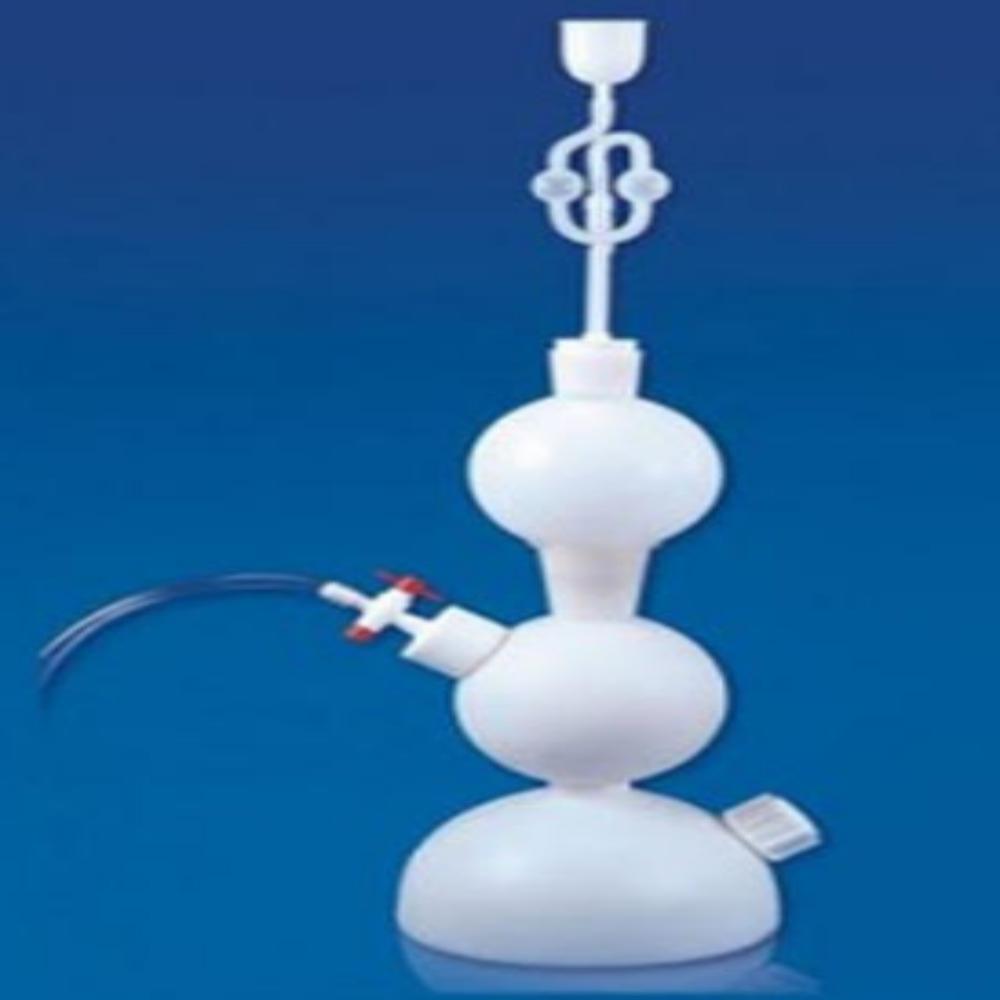
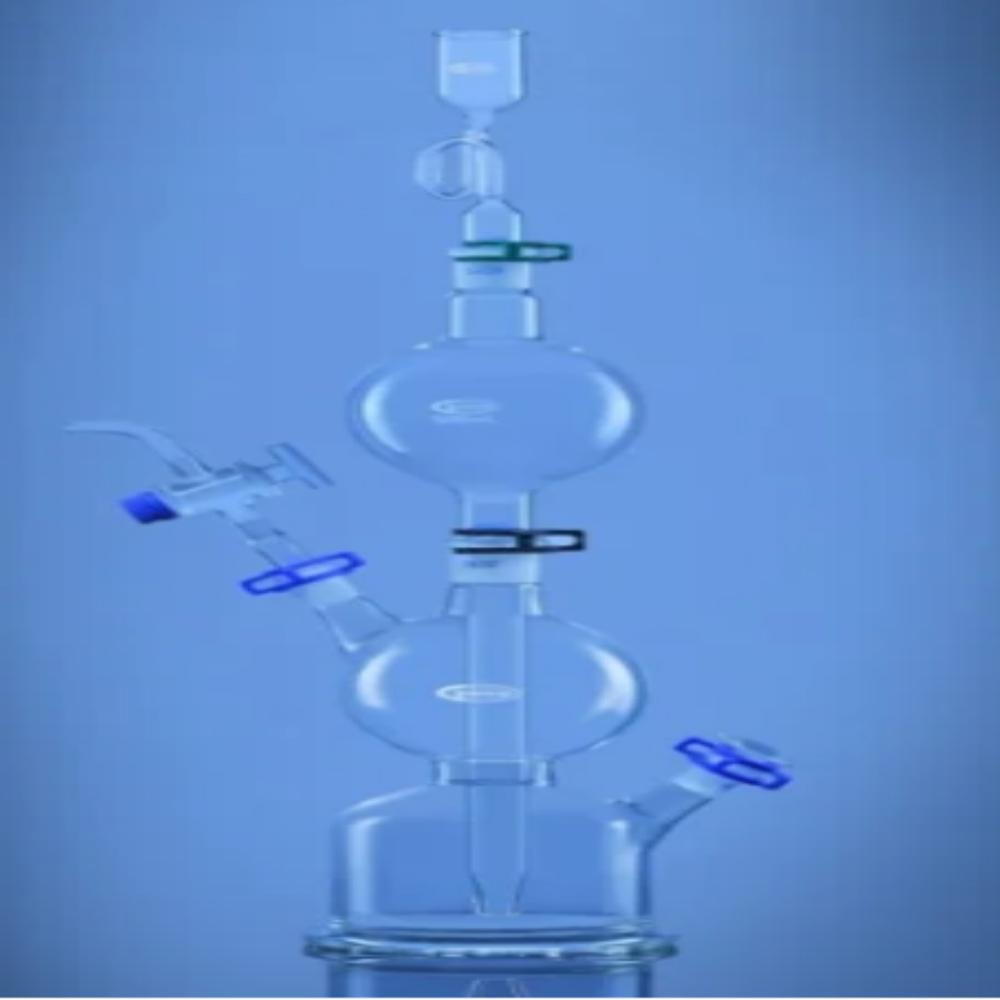
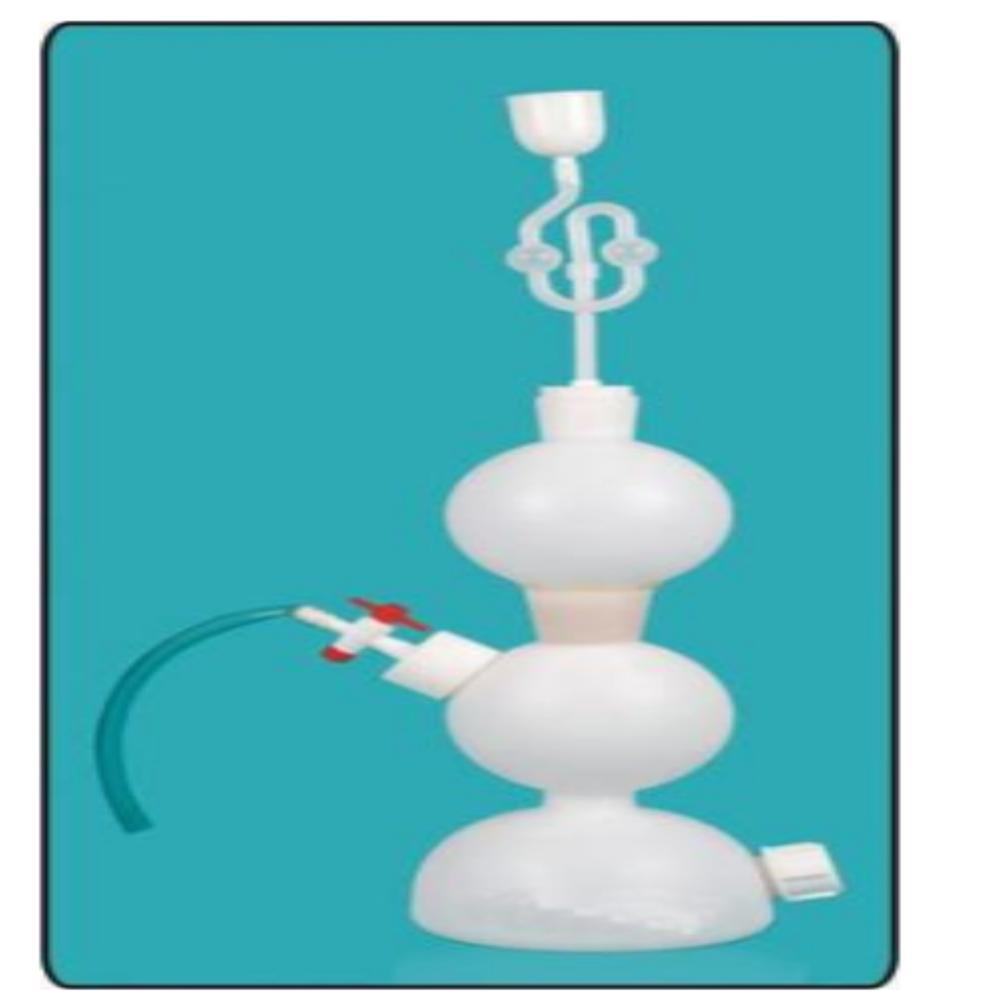
This is made of borosilicate glass and is an apparatus designed for preparation of small volumes of gases. The apparatus is made of three vertically stacked cylinders, roughly resembling a snowman. These are easily procurable at a very economical market rates.
Advanced Three-Chamber Gas GenerationThe Aicil Kipps Apparatus stands out with its three main chambers, specifically designed for efficient and controlled reactions between acids and bases. This structure allows for a continuous and steady release of gases, meeting laboratory requirements for precision and safety. The transparent, borosilicate glass construction ensures chemical compatibility and makes monitoring reactions effortless. This advanced design is ideal for consistent and repeatable laboratory results.
Robust Safety and Chemical ResistanceEngineered with operator safety in mind, this Kipps apparatus incorporates securely fitted stoppers and corrosion-resistant materials, minimizing the risk of leaks and chemical exposure. The apparatus is built from borosilicate glass and polypropylene fittings, ensuring resistance to both acids and bases frequently used in laboratory environments. Heat resistance up to 250C further broadens its application scope while maintaining structural integrity during rigorous procedures.
Practical Maintenance and Usage BenefitsThe modular design of the Aicil Kipps Apparatus simplifies both everyday use and routine cleaning. Its detachable components and easy-to-operate manual stopcocks provide precise control over gas flow, supporting diverse experimental setups. Moreover, the device is fully sterilizable, either via autoclaving or standard laboratory cleaning protocols, ensuring contamination-free operation and long-term durability.
FAQ's of Aicil Kipps Apparatus Glass:
Q: How is the Aicil Kipps Apparatus Glass with Chambers used in a laboratory setting?
A: This apparatus is used for generating laboratory gases on demand, such as hydrogen sulfide or carbon dioxide. Reagents like acids and bases are safely added through fitted stoppers, while gas evolution occurs in the main chambers, allowing for controlled collection of gases via the outlet nozzle.
Q: What types of chemicals and reactions is the apparatus compatible with?
A: The apparatus is constructed from borosilicate glass and polypropylene, making it resistant to both acids and bases. It is suitable for reactions that require safe containment and controlled release of gases, commonly used in educational, research, and industrial laboratories.
Q: When should I consider using the Kipps apparatus instead of other gas generation methods?
A: The Kipps apparatus is ideal when precise, on-demand generation of laboratory gases is required, especially in settings where safety, chemical resistance, and easy maintenance are priorities. It's particularly useful for repetitive experiments and teaching environments.
Q: Where does the gas exit the apparatus, and how can it be collected?
A: Gases produced in the apparatus exit through a specialized nozzle fitted with tubing. This setup enables direct, secure transfer to secondary containment systems or experimental setups without risk of leaks or exposure.
Q: What is the sterilization process for the Kipps apparatus, and can it withstand autoclaving?
A: The apparatus is fully sterilizable and can withstand autoclaving protocols, thanks to its high-grade borosilicate glass and chemical-resistant fittings. Always ensure all components are cooled before handling after sterilization.
Q: How does the three-chamber design benefit laboratory gas generation?
A: The three-chamber structure allows for efficient separation of reactants, minimizing the risk of uncontrolled reactions and enabling better control over the amount and rate of gas released. This design also helps in maintaining continuous gas evolution during longer experiments.






 Send Inquiry


 Send Inquiry
 English
 Spanish
 French
 German
 Italian
 Chinese (Simplified)
 Japanese
 Korean
 Arabic
 Portuguese